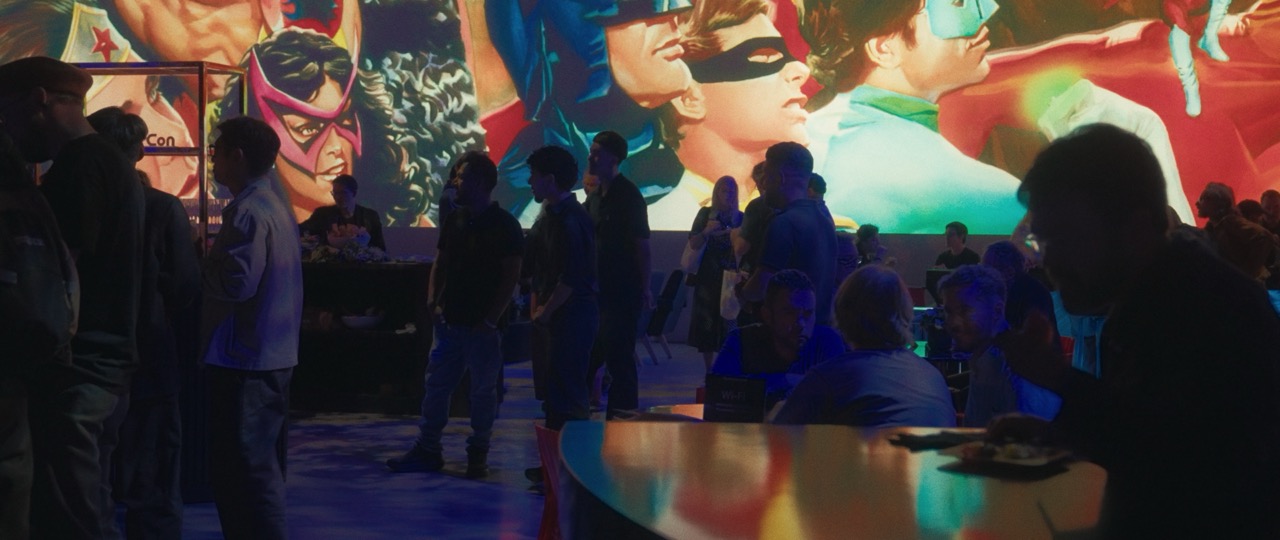
RenderCon 2026. LA, California

A short recap from RenderCon 2026 in LA, where I spoke about The Pipeline, my path through production, and why I believe the future of CG and VFX is in strong pipelines, not shortcuts.

April 26, 2026

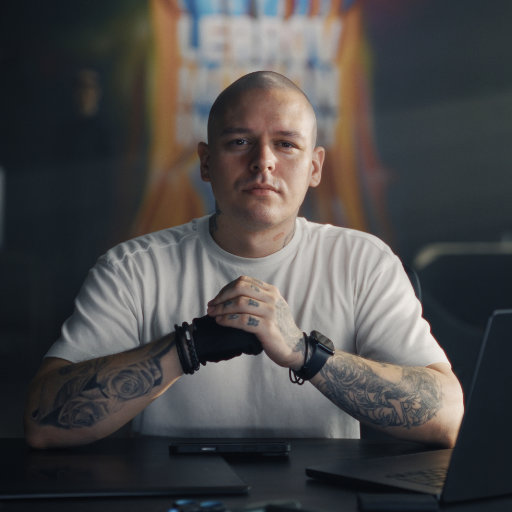
I did not plan to make any recap for RenderCon 2026. I thought it would be more or less the same as before. It was not.

This year I was one of the speakers, and I did not do public speaking since Video Copilot tour in 2019. I had 30 minutes to present The Pipeline. Very quickly I realised there is no honest way to explain all the intricacies in such timeframe, so several days before the talk I changed the whole presentation. Risky decision, but correct one.
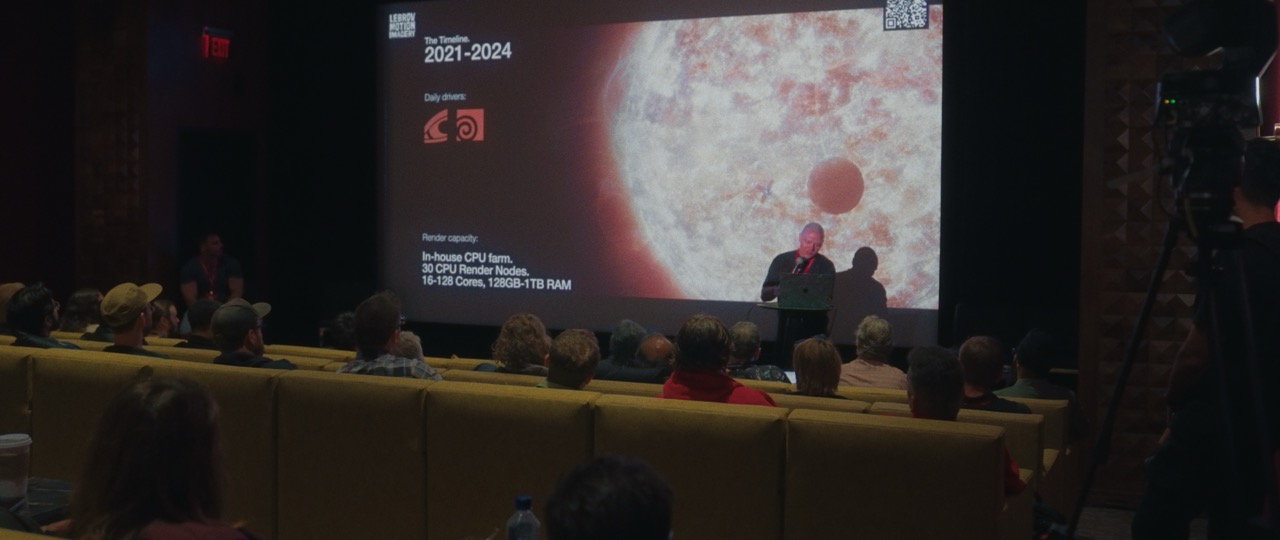
Instead of trying to overload people with technicalities, I told the real story of how this pipeline happened. From selling Out of Nothing Shares and giving up old workflows, to building a CPU render farm, to landing larger commercial projects, to meeting production problems that only appear when things get serious in scale. Clarisse was a big part of that road too. All of this eventually led me to the concise version of The Pipeline with Octane.

And I think this was the right move, because I heard a few reactions like, “wow, I didn’t realise this.” That made me happy. I am on a mission with this work. I want to spread this craft and this way of thinking further, because I want this pipeline to become almighty, convenient and accessible not only for big studios, but for everyone. Studio or lone wolf.
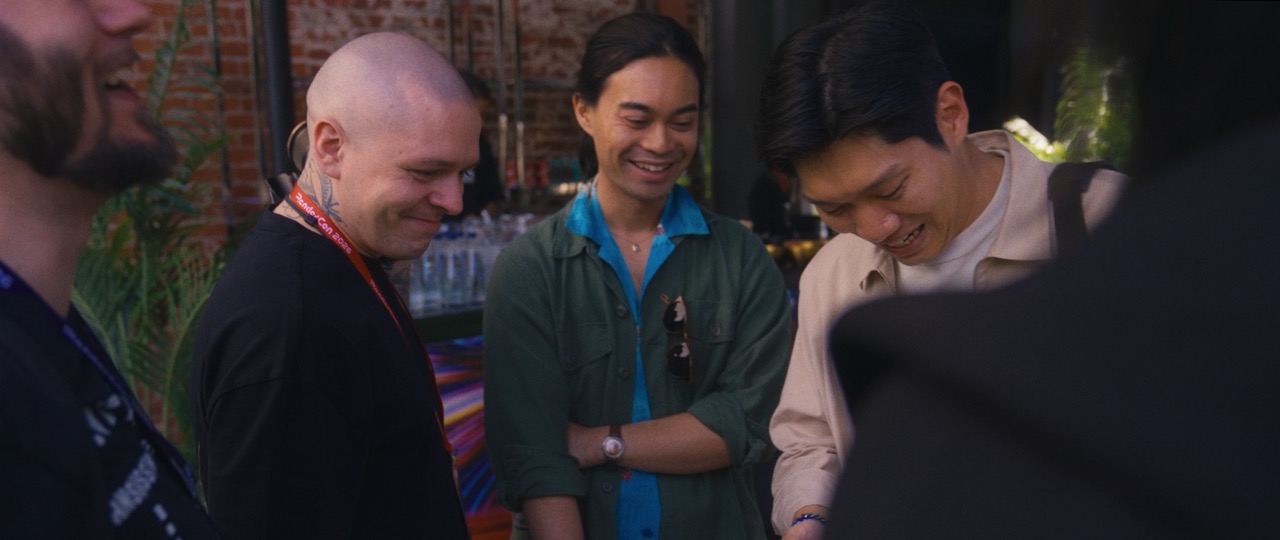

Each person I met there would confirm the same thing: RenderCon is not like other conferences. For Octane community, it is unbeatable density of like-minded people. Not only same industry. Same tools, same pain, same ambition, same curiosity about where all this is going.

What made RenderCon 2026 especially interesting to me is that, beneath all the noise around AI, the event was actually very close to real CG and VFX production questions. Creative intent. Real deadlines. Cinematic pipelines. Control. Authorship. How new technology can enter production without destroying the artist’s hand. This is the part that interests me most.

For example, in my talk I explained how The Pipeline already gives production superpowers now, while also preparing artists for future workflows around Neural Objects and similar neural representations. We also saw Jules talking in this direction again. He has been pointing there for years, and this is exactly why I tend to take those predictions seriously. When someone is early for long enough, eventually you understand they are not guessing.

One thing becomes more and more clear to me: the future of commercial-scale production is not in generative AI alone. It is in controlled pipelines that can absorb new technology without sacrificing structure, quality and authorship. And this fact does not make me anxious. It makes me curious.
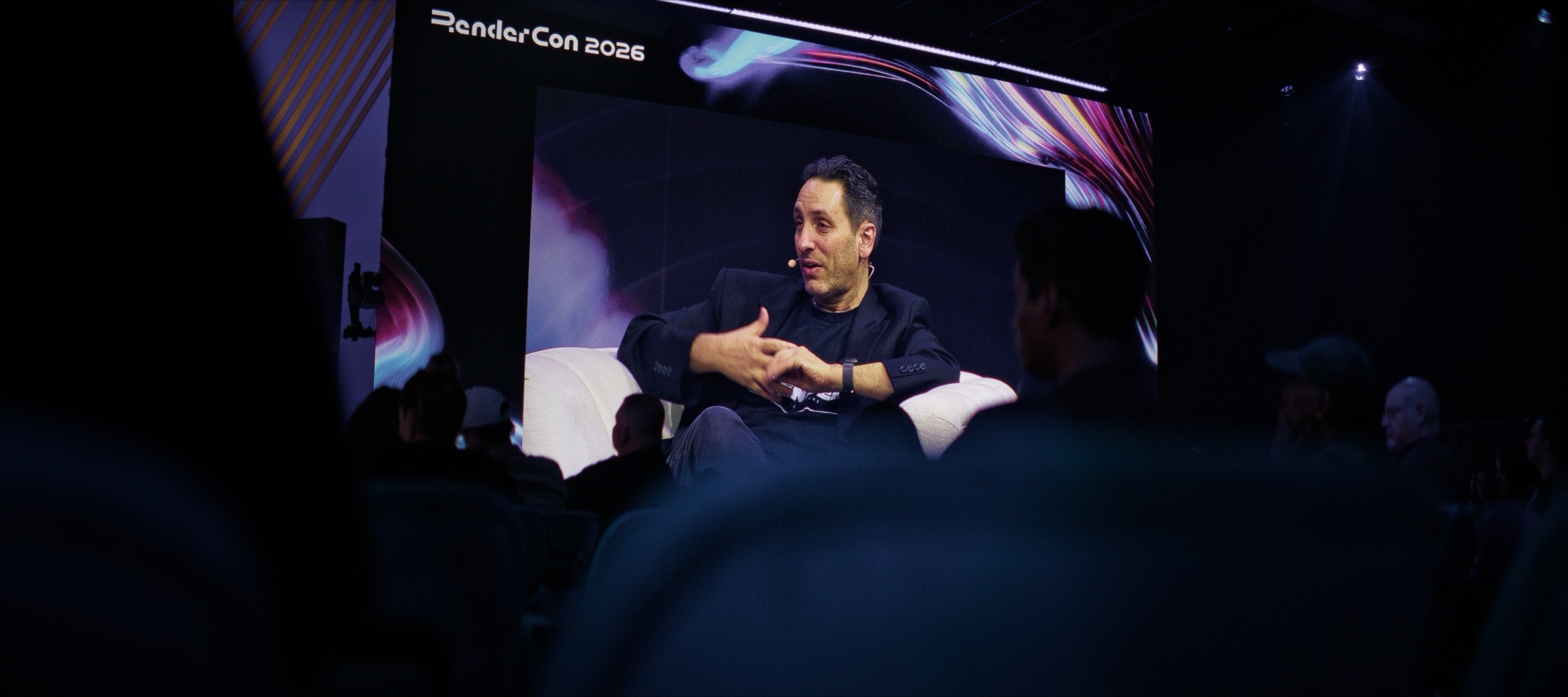
I also really enjoyed Refik Anadol’s talk. Seeing projects around Dataland and Large Nature Model was a strong reminder that there is a huge difference between AI as a toy and AI as part of a larger artistic or production vision. The exciting part is not pressing a button. The exciting part is imagining a future where neural assets can become real, controllable building blocks inside a high-end pipeline.

This is why I hope I will be back at RenderCon next year. Everyone I spoke to said the same thing: it is one of a kind. I am grateful I had a chance to be part of it.

I did not plan to make any recap for RenderCon 2026. I thought it would be more or less the same as before. It was not.

This year I was one of the speakers, and I did not do public speaking since Video Copilot tour in 2019. I had 30 minutes to present The Pipeline. Very quickly I realised there is no honest way to explain all the intricacies in such timeframe, so several days before the talk I changed the whole presentation. Risky decision, but correct one.

Instead of trying to overload people with technicalities, I told the real story of how this pipeline happened. From selling Out of Nothing Shares and giving up old workflows, to building a CPU render farm, to landing larger commercial projects, to meeting production problems that only appear when things get serious in scale. Clarisse was a big part of that road too. All of this eventually led me to the concise version of The Pipeline with Octane.

And I think this was the right move, because I heard a few reactions like, “wow, I didn’t realise this.” That made me happy. I am on a mission with this work. I want to spread this craft and this way of thinking further, because I want this pipeline to become almighty, convenient and accessible not only for big studios, but for everyone. Studio or lone wolf.


Each person I met there would confirm the same thing: RenderCon is not like other conferences. For Octane community, it is unbeatable density of like-minded people. Not only same industry. Same tools, same pain, same ambition, same curiosity about where all this is going.

What made RenderCon 2026 especially interesting to me is that, beneath all the noise around AI, the event was actually very close to real CG and VFX production questions. Creative intent. Real deadlines. Cinematic pipelines. Control. Authorship. How new technology can enter production without destroying the artist’s hand. This is the part that interests me most.

For example, in my talk I explained how The Pipeline already gives production superpowers now, while also preparing artists for future workflows around Neural Objects and similar neural representations. We also saw Jules talking in this direction again. He has been pointing there for years, and this is exactly why I tend to take those predictions seriously. When someone is early for long enough, eventually you understand they are not guessing.

One thing becomes more and more clear to me: the future of commercial-scale production is not in generative AI alone. It is in controlled pipelines that can absorb new technology without sacrificing structure, quality and authorship. And this fact does not make me anxious. It makes me curious.

I also really enjoyed Refik Anadol’s talk. Seeing projects around Dataland and Large Nature Model was a strong reminder that there is a huge difference between AI as a toy and AI as part of a larger artistic or production vision. The exciting part is not pressing a button. The exciting part is imagining a future where neural assets can become real, controllable building blocks inside a high-end pipeline.

This is why I hope I will be back at RenderCon next year. Everyone I spoke to said the same thing: it is one of a kind. I am grateful I had a chance to be part of it.

Andrey Lebrov
Head of CG & VFX
Instagram IconYouTube iconlinkedin icon

Heading

Lorem ipsum dolor sit amet, consectetur adipiscing elit. Suspendisse varius enim in eros elementum tristique. Duis cursus, mi quis viverra ornare, eros dolor interdum nulla, ut commodo diam libero vitae erat. Aenean faucibus nibh et justo cursus id rutrum lorem imperdiet. Nunc ut sem vitae risus tristique posuere.

Lorem ipsum dolor sit amet, consectetur adipiscing elit. Suspendisse varius enim in eros elementum tristique. Duis cursus, mi quis viverra ornare, eros dolor interdum nulla, ut commodo diam libero vitae erat. Aenean faucibus nibh et justo cursus id rutrum lorem imperdiet. Nunc ut sem vitae risus tristique posuere.

Description

Heading 1

Heading 2

Heading 3

Heading 4

Heading 5
Heading 6

Lorem ipsum dolor sit amet, consectetur adipiscing elit, sed do eiusmod tempor incididunt ut labore et dolore magna aliqua. Ut enim ad minim veniam, quis nostrud exercitation ullamco laboris nisi ut aliquip ex ea commodo consequat. Duis aute irure dolor in reprehenderit in voluptate velit esse cillum dolore eu fugiat nulla pariatur.

Block quote

Ordered list

  1. Item 1
  2. Item 2
  3. Item 3

Unordered list

  • Item A
  • Item B
  • Item C

Text link

Bold text

Emphasis

Superscript

Subscript

Heading 1

Heading 2

Heading 3

Heading 4

Heading 5
Heading 6

Lorem ipsum dolor sit amet, consectetur adipiscing elit, sed do eiusmod tempor incididunt ut labore et dolore magna aliqua. Ut enim ad minim veniam, quis nostrud exercitation ullamco laboris nisi ut aliquip ex ea commodo consequat. Duis aute irure dolor in reprehenderit in voluptate velit esse cillum dolore eu fugiat nulla pariatur.

Block quote

Ordered list

  1. Item 1
  2. Item 2
  3. Item 3

Unordered list

  • Item A
  • Item B
  • Item C

Text link

Bold text

Emphasis

Superscript

Subscript

LMI Splats Baker

The Baker removes the pain of long .PLY write-outs, especially on dense and animated splats where export time becomes a serious bottleneck.

The tool offers optional .SPZ compression. Compression won’t speed up export (it’s mainly a packaging step), but in addition to processing speed, it can reduce file size by ~10×, which makes storage, transfers, and archiving far easier.

.SPZ splats are supported in Octane.

19.2x faster

Than GSOPs .ply splats exporter

10.3x smaller

.spz export is much lighter than .ply

LMI Splats Baker

Licensing

Tools are provided under a worldwide, non-exclusive license for use in any production context. You may install and use the toolset for any lawful purpose, including commercial work, client deliveries, internal studio pipelines, and distributed production environments.

All software is provided “as is”, without warranty of any kind, to the maximum extent permitted by applicable law.

Digital purchases are final and non-refundable, except where a refund is required by applicable consumer protection law.